Spark

Sample adventure · Ages 7–9

Frog Pond Explorer

A hands-on, mostly outdoor learning quest built around one eight-year-old's love of frogs. Five short missions weave reading, writing, maths, science and art into a single afternoon — with real facts to learn and a printable project pack at the end.

Reading Writing Maths Science Art About 90 minutes

The project

Become a pond scientist for the day

Meet Ada, a curious eight-year-old who loves frogs. She is fascinated by the way they leap, hide and sit perfectly still on a lily pad. In this sample adventure, Ada visits a real pond as a scientist, uncovers the story of how a frog grows, and finishes by creating her own frog field guide. Ready to explore the pond?

Big wonder

How does a tiny jelly egg become a jumping frog?

You'll need

Journal, pencil, a pond nearby, a small jar, a white saucer.

How long

5 short missions · about 90 minutes total.

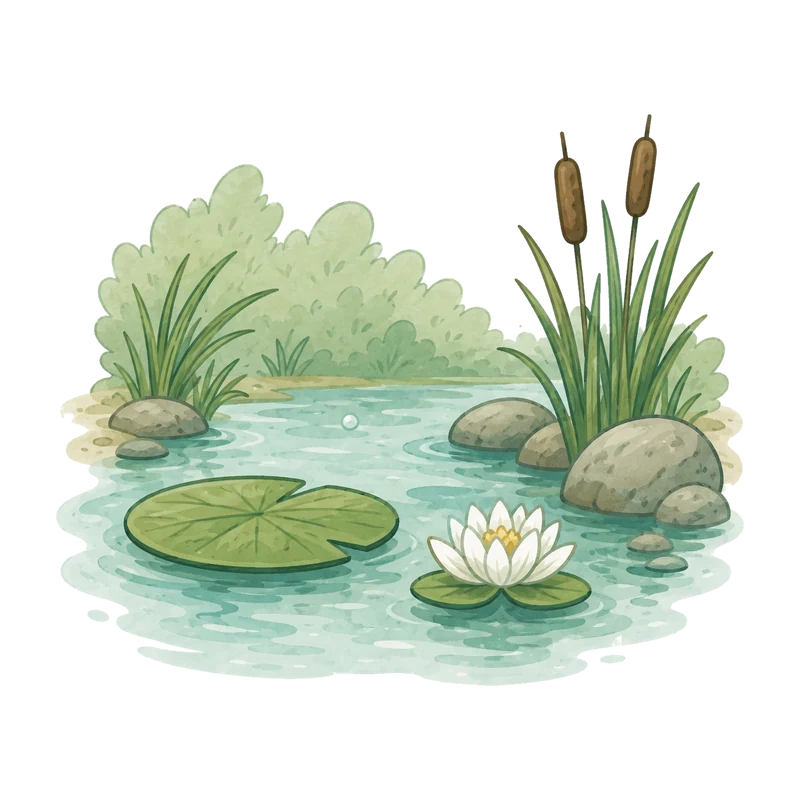
A calm watercolour pond with reeds and lily pads.
The adventure at a glance
  1. Mission 1
    Meet the Pond
  2. Mission 2
    The Life Cycle Sketch
  3. Mission 3
    Frog Call Detective
  4. Mission 4
    A Drop of Pond Water
  5. Mission 5
    Your Frog Field Guide

Five short missions, in the order to follow them.

The Missions

Follow in order

🌿

Mission 01

Meet the Pond

15 minutes

Science Writing Art

Every explorer begins by looking. Today you become a pond scientist — quiet, patient, curious. Your first job is to meet the pond as it really is.

  1. 1Choose a pond, puddle or wet patch in a garden, park or nature reserve.
  2. 2Sit as still as you can for five whole minutes and count how many living things you notice.
  3. 3In your journal, draw a small map of the pond: mark where the water is deepest, where plants grow, and where you think a frog might hide.
  4. 4Write down one word for how the pond smells and one word for how it sounds.
A pond across one day
  1. 6:15 am
    First light

    Mist sitting on the water; the pond looks like glass.

  2. 8:00 am
    Damselflies wake

    Blue and green flashes hover above the reeds.

  3. 12:30 pm
    Sun overhead

    Tadpoles gather in the warm shallows.

  4. 6:45 pm
    Dusk chorus

    Frog calls start — the loudest hour of the day.

Every hour shows you something different. Notice which hour is busiest.

What to look for at the water's edge

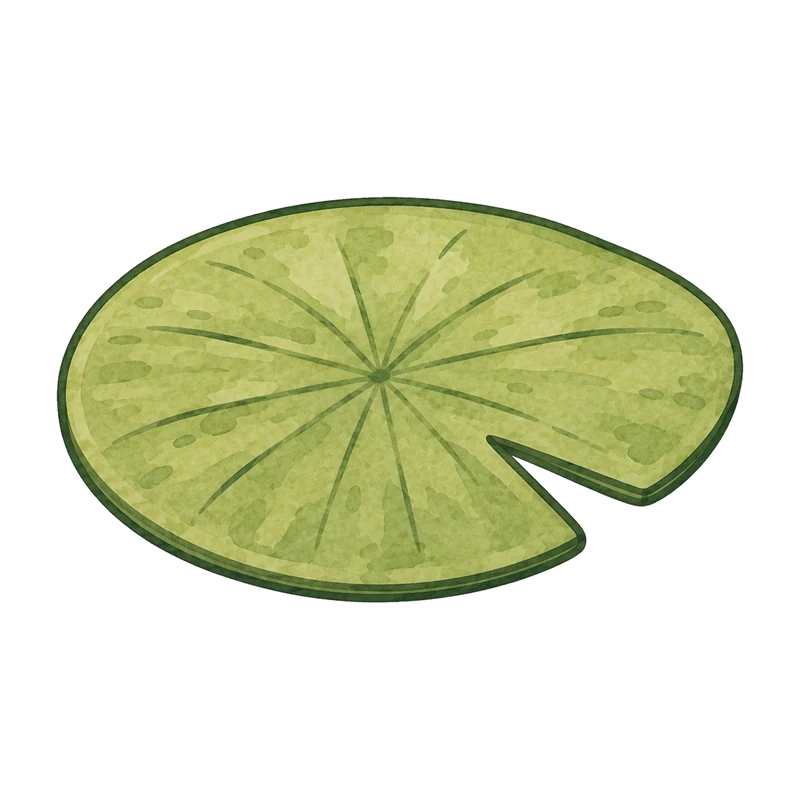
  • A green lily pad floating on still water.
    Lily pads
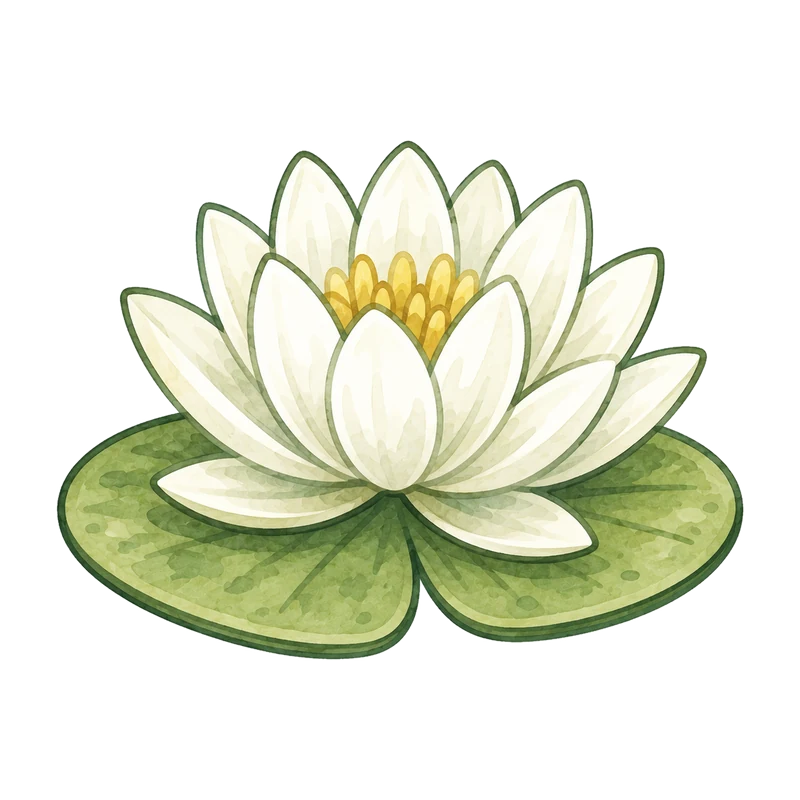
  • An open water lily flower on a pad.
    Water lily
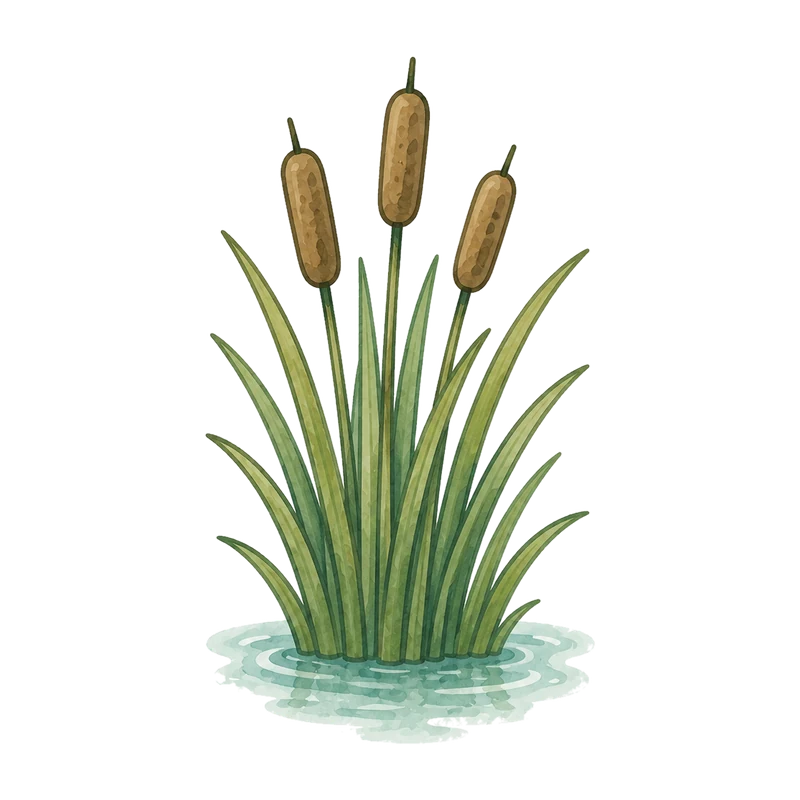
  • Cattail reeds at the pond edge.
    Cattails
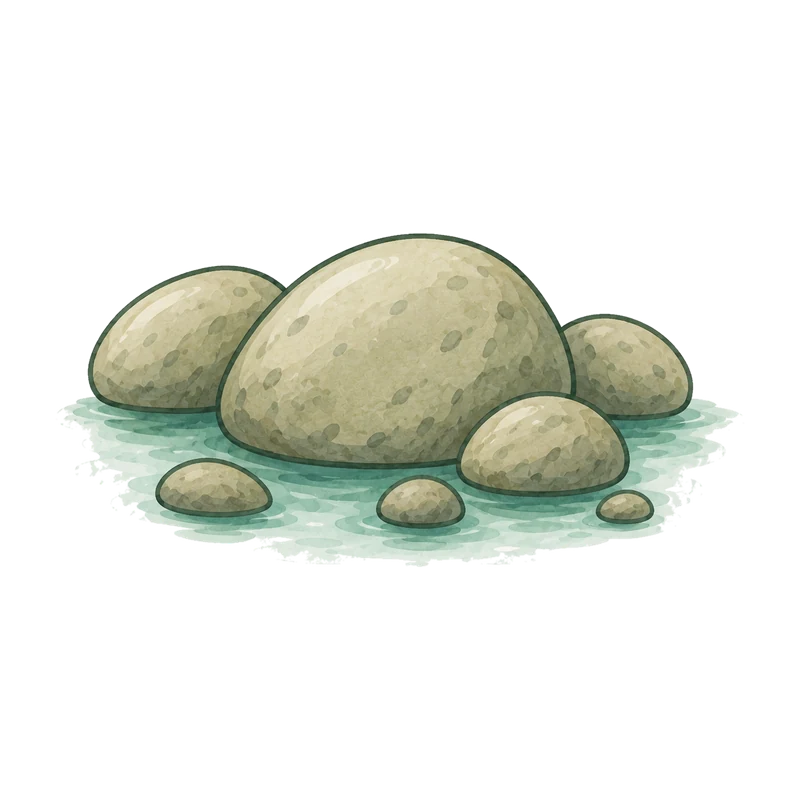
  • A small group of smooth pond rocks.
    Pond rocks
🐸

Mission 02

The Life Cycle Sketch

20 minutes

Science Art Writing

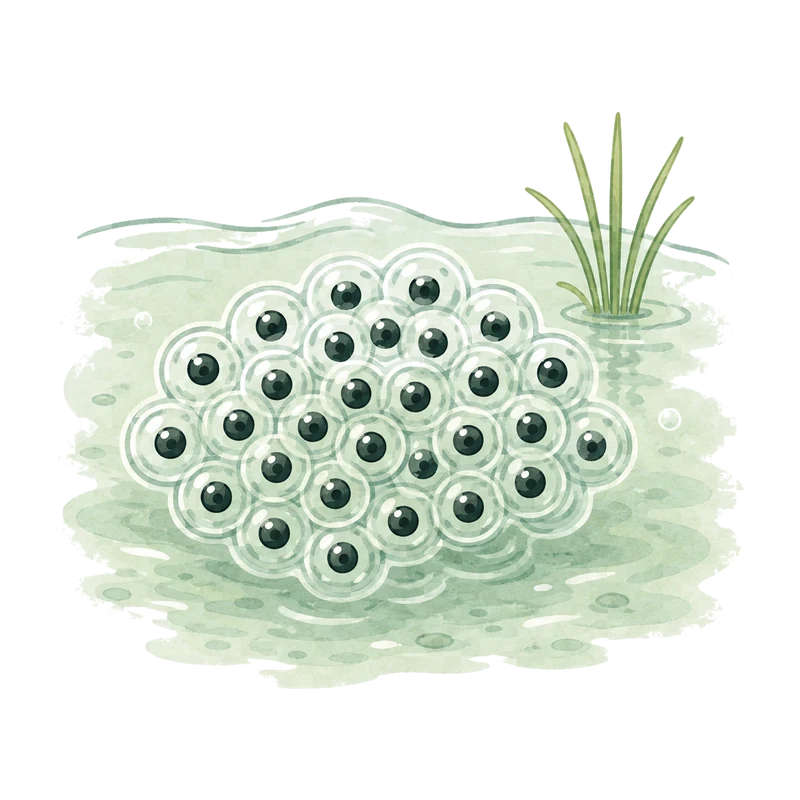
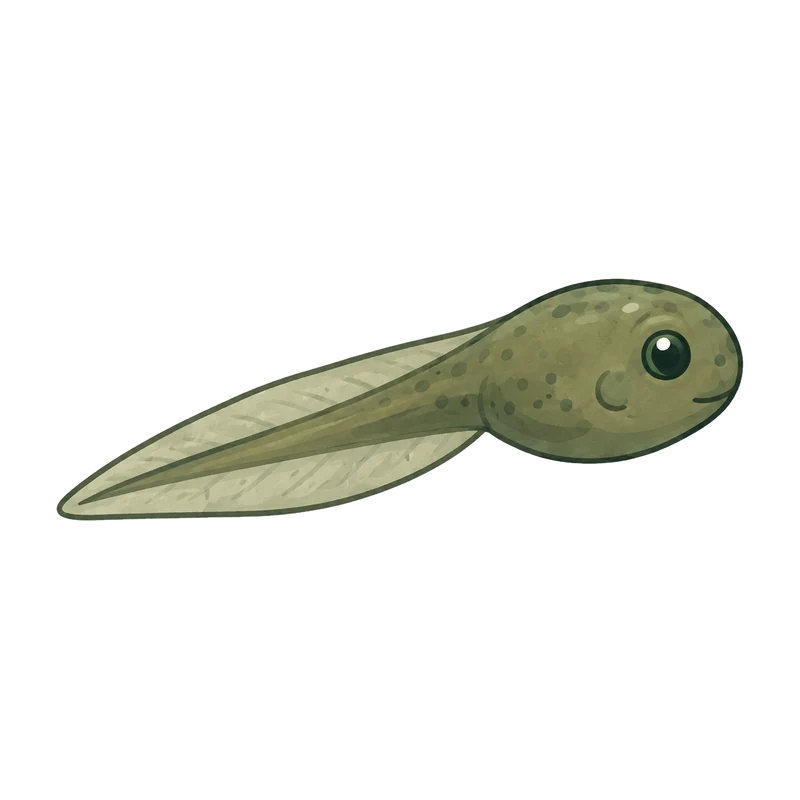
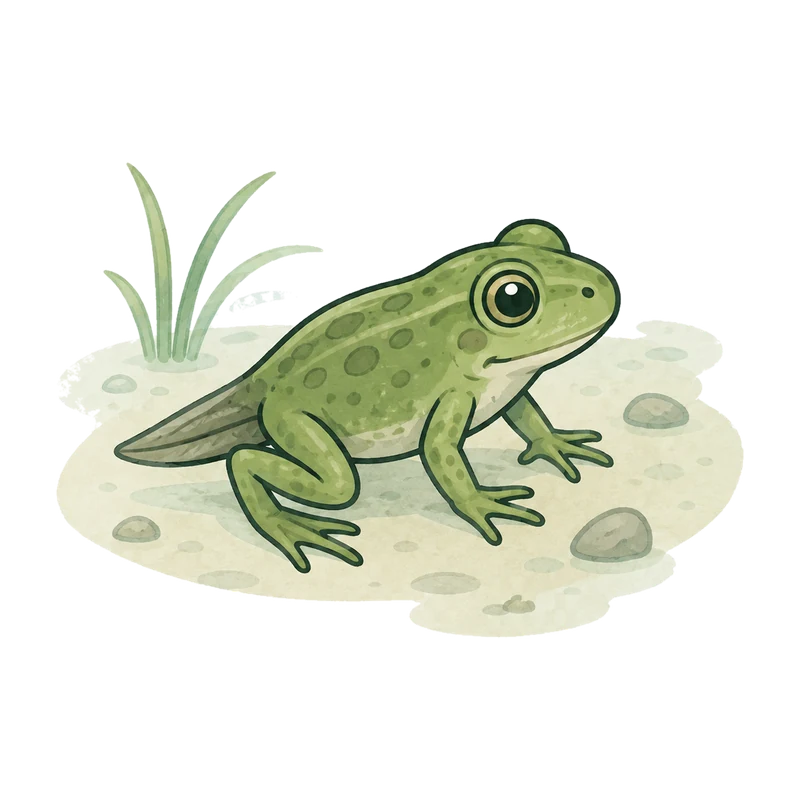
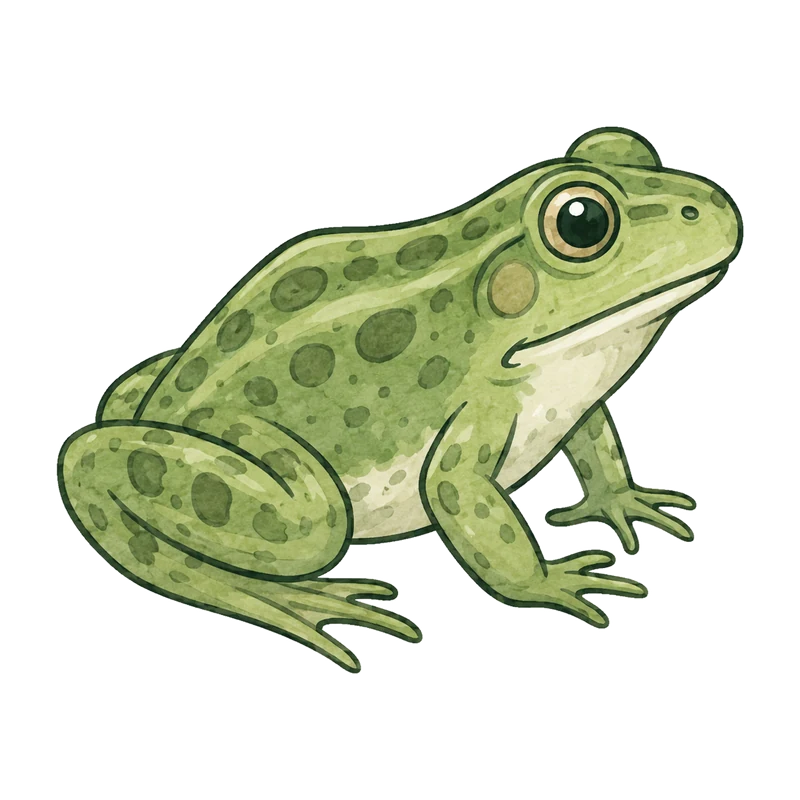
A frog does not start as a frog. It begins as a tiny jelly egg called spawn, becomes a tadpole with a wiggly tail, grows tiny back legs, then front legs, and slowly turns into a froglet before it becomes a full-grown frog. Today you will draw that whole journey.

  1. 1Fold a page in your journal into four equal boxes.
  2. 2In box one, draw a cluster of frog spawn (little black dots inside clear jelly).
  3. 3In box two, draw a tadpole with a long tail and no legs.
  4. 4In box three, draw a froglet — a tadpole that has grown back legs, front legs, and a shorter tail.
  5. 5In box four, draw a fully grown frog with strong back legs.
  6. 6Label each stage with one word: spawn, tadpole, froglet, frog.
The frog life cycle
  1. A cluster of tiny black frog eggs inside clear jelly floating on pond water.
    1. Spawn

    Jelly-covered eggs laid in still pond water.

  2. A small tadpole with a round body and a long tail, no legs yet.
    2. Tadpole

    Wriggly, all tail, breathes through gills.

  3. A young froglet with four legs and a short, shrinking tail.
    3. Froglet

    Back legs first, then front legs, tail shrinks.

  4. A fully grown frog sitting on a lily pad with strong back legs.
    4. Frog

    Lungs replace gills — hops onto land.

…and the cycle begins again with new spawn.

🎧

Mission 03

Frog Call Detective

15 minutes

Science Maths Writing

Frogs talk. Different frogs make different sounds — some croak, some peep, some sound like a rubber band. Your mission is to become a sound detective.

  1. 1At dusk or after rain, sit near the pond and close your eyes for two minutes.
  2. 2Every time you hear a different frog sound, tally a mark in your journal like this: | | | |.
  3. 3Draw a simple bar next to each sound showing how many times you heard it.
  4. 4Give each sound a made-up name (for example: 'the little squeaker' or 'the deep drum').
Frog facts you can measure
Longest leap (cm)
90
Adult length (cm)
9
Life span (years)
8
Eggs laid at once
2000

Rough averages for the common frog. Your local frog may differ.

Other voices you might hear

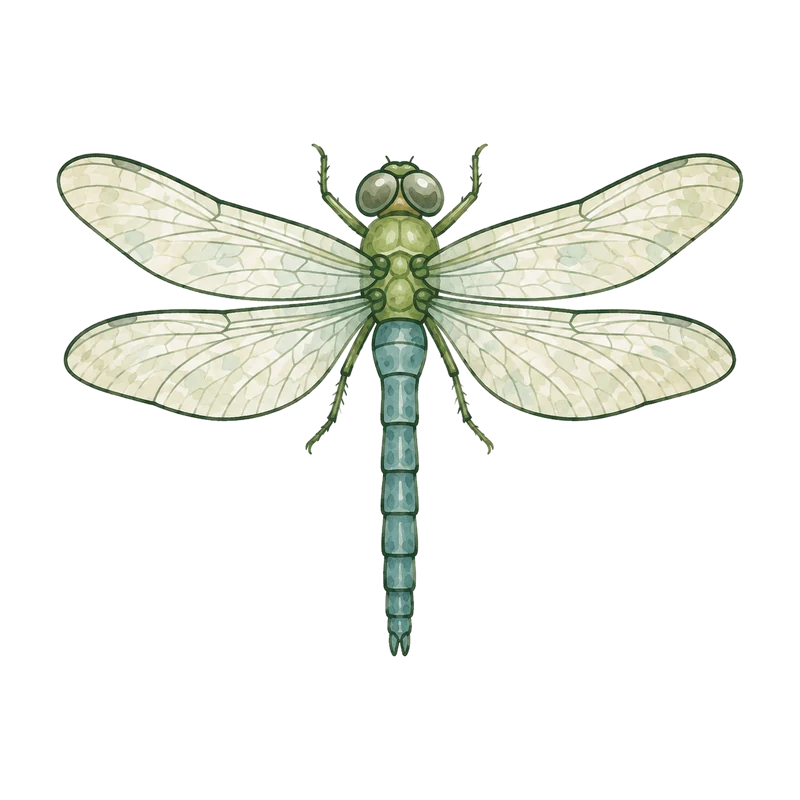
  • A dragonfly with slender wings above the pond.
    Dragonfly
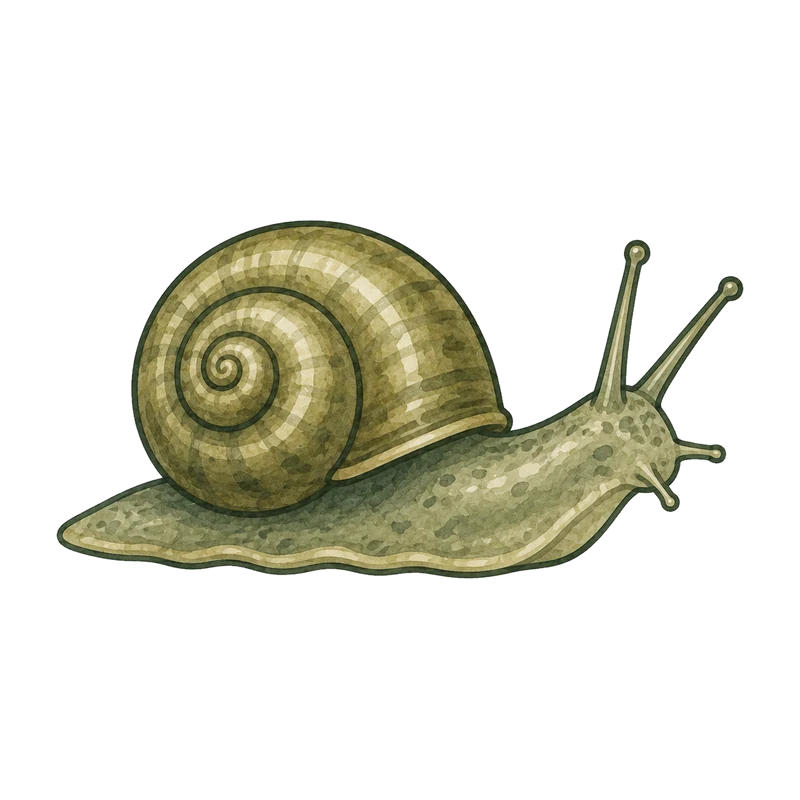
  • A pond snail with a spiral shell on a leaf.
    Pond snail
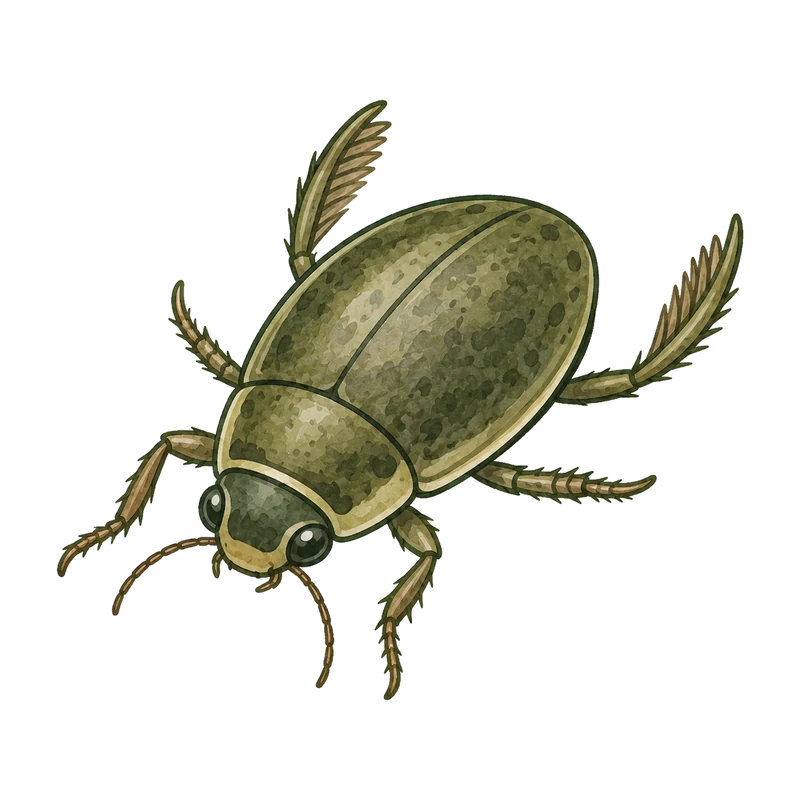
  • A shiny water beetle just beneath the surface.
    Water beetle
💧

Mission 04

A Drop of Pond Water

20 minutes

Science Maths Art

A pond is a whole tiny world. In one single drop of pond water there can be dozens of living creatures. Today you will look really, really closely.

  1. 1With a grown-up, gently scoop a small jar of pond water. Do not disturb the mud too much.
  2. 2Place a single drop on a white saucer or a clean white lid.
  3. 3Look at the drop for two full minutes. What is moving? What is still? Count how many moving things you can spot.
  4. 4In your journal, draw the drop as a big circle and sketch what you saw inside it.
  5. 5Return the water gently to the pond when you finish — you are a kind scientist.
Field-observation cards
  1. Step 1
    Note the weather

    Sun, cloud or drizzle. Frogs move most on warm, damp evenings after rain.

  2. Step 2
    Sit and count

    Stay still for five minutes. Tally every different sound you hear.

  3. Step 3
    Sketch one creature

    Draw the first pond animal you notice. Add a tiny arrow showing how it moves.

  4. Step 4
    Return the water

    If you scooped any, pour it gently back where it came from. Kind scientists leave no trace.

Take these four steps at every pond you visit.

Your observation kit

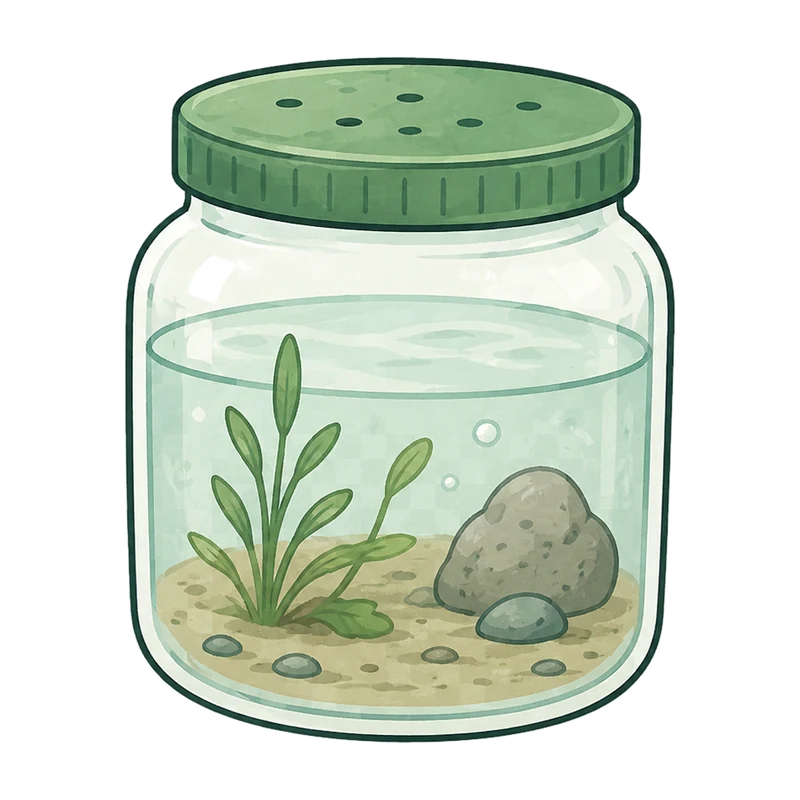
  • A clear glass jar holding a scoop of pond water.
    Observation jar
📖

Mission 05

Your Frog Field Guide

20 minutes

Writing Reading Science

Real scientists write field guides — small books that help other people find and understand animals. Now you have explored the pond, you know enough to write your own page.

  1. 1Take a fresh page in your journal. At the top, write a title: 'Frogs of My Pond'.
  2. 2Underneath, write three short sections: What They Look Like, Where They Live, and How to Spot One.
  3. 3Under each heading, write two or three sentences using what you noticed today.
  4. 4Add a small drawing of a frog in the corner.
  5. 5Read your page out loud to a grown-up as if you were teaching them something new.
Build a mini-pond at home
  1. Step 1
    Pick a spot

    A shady corner of the garden, or a big plant saucer on a balcony.

  2. Step 2
    Dig or place

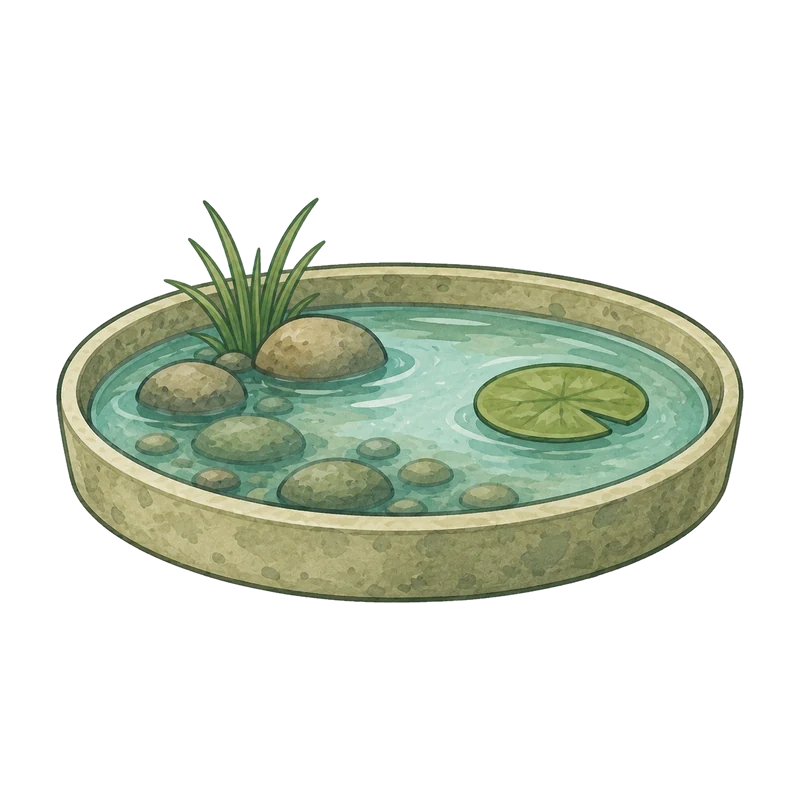
    Sink a shallow dish into the ground or set the saucer down flat.

  3. Step 3
    Line & fill

    Add a handful of small stones, then rainwater (not tap water).

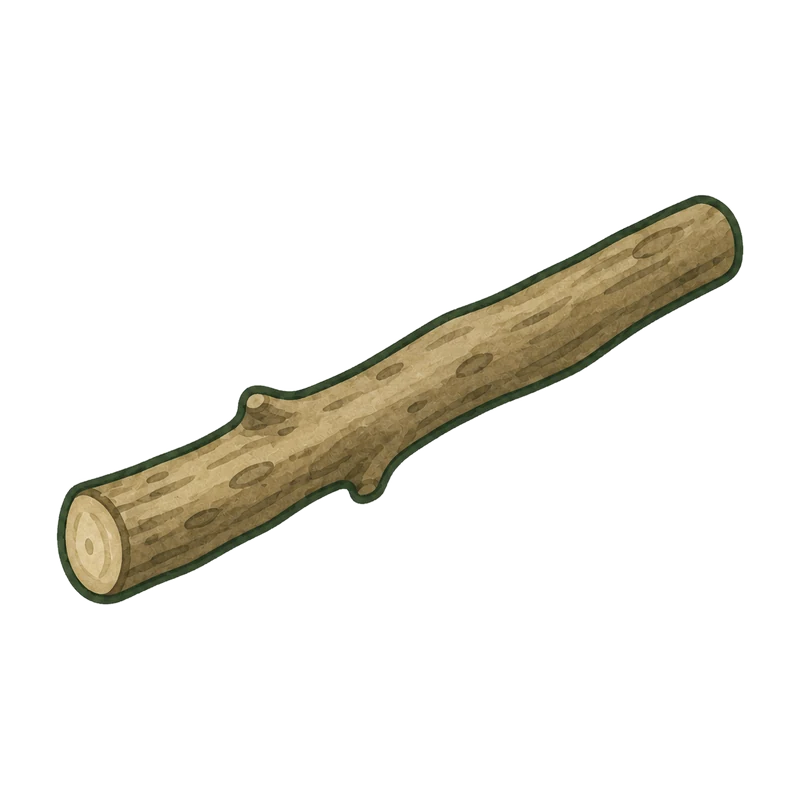
  1. A stick angled from the water's edge up onto the ground as a ramp.
    Step 4
    Add a ramp

    Rest a stick from the water to the ground so creatures can climb out.

  2. A finished mini-pond in a shallow tray, seen from above.
    Step 5
    Watch & wait

    In two to three weeks, small pond life will find you on its own.

Five short steps to invite frogs into your own garden or balcony.

Printable Project Pack

A beautiful pack to print and keep

Every Spark adventure comes with a calm, nature-journal style printable pack — a real document your child can follow on paper, not a screenshot of a web page. Choose Colour, Ink Saver, or Digital before you print.

  • • A4 and US Letter, with tidy page breaks
  • • Numbered missions, ready to follow step by step
  • • A grown-up’s guide and gentle safety notes
  • • A finishing certificate on its own page
Frog Pond Explorer

Mission Two

The Life Cycle Sketch

A cluster of tiny black frog eggs inside clear jelly floating on pond water.Spawn
A small tadpole with a round body and a long tail, no legs yet.Tadpole
A young froglet with four legs and a short, shrinking tail.Froglet
A fully grown frog sitting on a lily pad with strong back legs.Frog

Fold a page in your journal into four boxes. In each box, draw one stage of the frog's life and label it with one word.

Spark · A calm homeschool companion

A single printable page — one of ten in the pack.

A gentle reflection

Sit for a moment. What did you notice?

Every Spark adventure ends softly. There is no test, no score, and no rush. The parent and child sit together and answer three small questions in the Spark Journal:

  • · One thing that surprised you at the pond.
  • · One frog word you'd never heard before today.
  • · One question the pond left you wondering about.

The answers become the roots of the next adventure — that's how a child's Curiosity Tree slowly grows.

Ready to make one for your child?

Create your free Spark family, tell us what your child loves, and print your first adventure today.